Energy-Efficient Extensions: Passive Design Tips for Sunshine Coast Homes
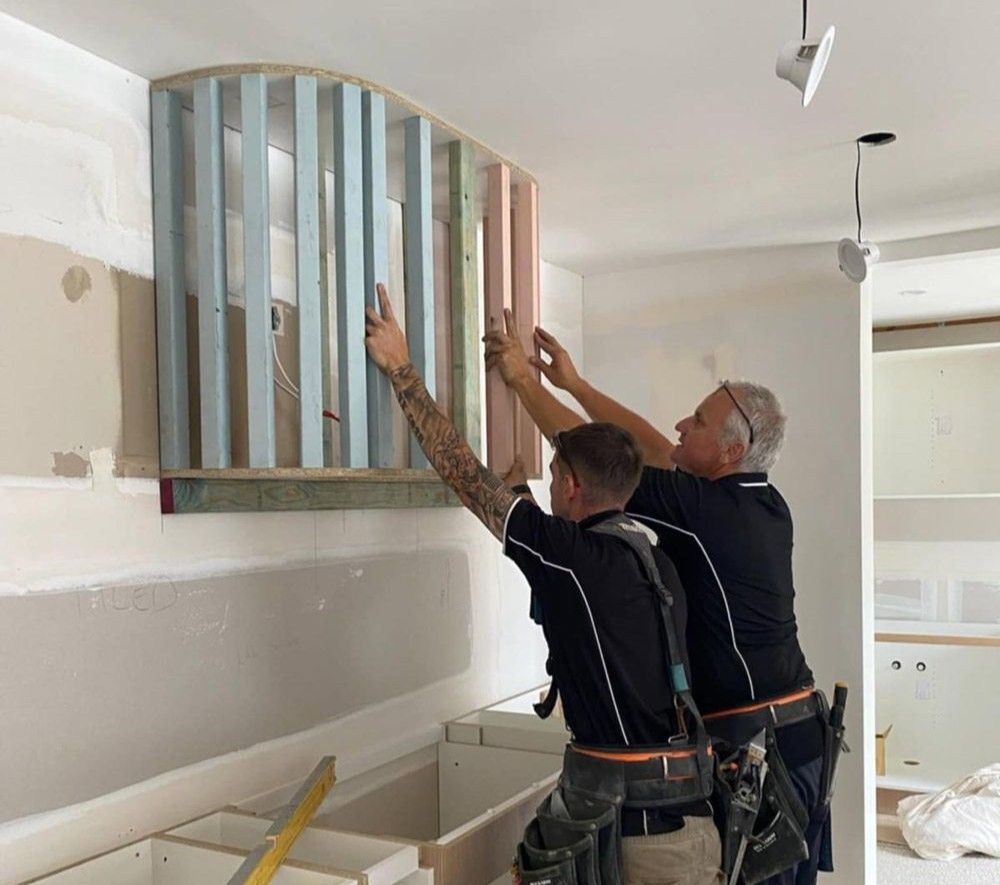
Adding space to a home is a chance to fix the things the original build got wrong. Rooms that bake in summer, spaces that never catch a breeze, power bills that climb every year. Passive design offers a way around all of it, using the sun, the wind and the layout of the house itself to keep things comfortable without leaning on the air conditioner. For anyone planning home extensions on the Sunshine Coast, getting these decisions right early makes the difference between a room you love and one you avoid half the year.
Why Passive Design Matters in a Coastal Climate
The Sunshine Coast sits in a subtropical zone where summers run hot and humid and winters stay mild. That climate rewards homes built to work with the weather rather than against it. Passive design uses orientation, airflow and materials to manage heat and light naturally, cutting running costs and lifting comfort at the same time.
A well planned extension can deliver benefits such as:
- Lower cooling bills across the long warm season.
- Rooms that stay comfortable without constant mechanical help.
- A smaller carbon footprint over the life of the home.
Designing with the climate in mind pays off every single day you live there. As a Sunshine Coast renovation builder, Reynolds Built factors the local climate into every extension and renovation we plan.
Getting Solar Orientation Right
The way a room faces decides how much sun it takes on through the year. North facing rooms capture gentle winter warmth while staying easy to shade in summer, which makes orientation the single most powerful tool in passive design. West facing glass, by contrast, invites harsh afternoon heat that is hard to control.
Smart orientation for a new extension usually means:
- Placing living areas and main windows to the north.
- Keeping large glazed areas away from the western sun.
- Positioning bedrooms to suit morning light and evening cool.
Set the orientation well and the rest of the design has far less work to do.
Letting the Breeze Do the Work
Cross-ventilation moves cooler air through a home and pushes warm, stale air out, which matters enormously in a humid climate. The trick lies in giving air a clear path, with openings on opposite or adjacent walls so the prevailing breezes can flow straight through the living space rather than stalling in a corner.
Good airflow in an extension comes from features like:
- Windows and doors aligned to catch coastal breezes.
- Louvres and openable panels that fine tune the flow.
- High level vents that release the hottest air near the ceiling.
A room that breathes on its own rarely needs a fan running all afternoon.
Insulation That Suits the Subtropics
Insulation is not only for cold climates. In a subtropical setting it keeps the day's heat out and holds comfortable temperatures steady, doing quiet work in the roof, walls and floor. Roof insulation matters most, since that is where the fiercest summer heat presses down on the house, and it is one of the features that turns an ordinary addition into a truly energy-efficient extension on the Sunshine Coast.
A well insulated extension typically focuses on:
- A high performing roof and ceiling barrier against radiant heat.
- Wall insulation matched to the direction each wall faces.
- Sealing gaps that let conditioned air leak away.
Done properly, insulation keeps the temperature you have worked to create.
Shading Out the Harsh Summer Sun
Shading blocks heat before it ever reaches the glass, which is far easier than removing it once it is inside. The best shading is designed around the sun's path, letting low winter rays in while cutting out the high summer sun. Thoughtful home extensions on the Sunshine Coast use shading as a core feature rather than an afterthought bolted on later.
Effective shading can take the form of:
- Eaves and awnings sized to the angle of the sun.
- Pergolas and battens over outdoor and glazed areas.
- Planting and screens that soften the western exposure.
Good shade keeps a room cool long before any cooling system switches on.
Choosing Glazing That Performs
Windows are often the weakest link for heat gain and loss, so the glass you choose has a real effect on comfort and cost. Modern glazing options control how much heat passes through while still letting in plenty of natural light, and getting this detail right sits at the heart of good passive design on the Sunshine Coast. The right specification depends on which way the window faces and how large it is.
Glazing choices worth considering include:
- Double glazing for rooms exposed to strong sun.
- Low emissivity coatings that reflect unwanted heat.
- Tinted or laminated glass for the toughest western walls.
The correct glass turns a big window from a liability into an asset.
Bringing in Natural Light Without the Heat
Daylight makes a home feel open and cuts the need for electric lighting, but too much unmanaged glass brings heat and glare. The goal is to spread soft, even light through a space while keeping direct sun under control. Skylights, high windows and careful placement all help strike that balance.
Balanced natural light usually relies on:
- South facing windows that give steady glare free light.
- Well placed skylights fitted with shading or diffusers.
- Light coloured surfaces that bounce daylight deeper inside.
A bright room that stays cool is the mark of a well judged design.
How Smart Design Lowers Running Costs
Every passive feature adds up to a home that costs less to run and feels better to live in. Reduced reliance on heating and cooling shows up directly on the power bill, and the comfort gains last for the life of the building. Spending a little more thought at the design stage returns value year after year.
The long term payoff of passive design shows in:
- Smaller energy bills as mechanical systems work less.
- Higher resale appeal for an efficient, comfortable home.
- Greater day to day comfort through every season.
Good design is an investment that keeps giving back well beyond move in day.
Building Your Extension the Right Way
We at Reynolds Built have spent years helping Sunshine Coast homeowners create additions that work with the local climate rather than fighting it. From orientation and airflow to glazing and shading, we bring passive design thinking into every project so your new space stays comfortable and affordable to run. If you are planning home extensions on the Sunshine Coast and want a result that suits both your family and the coastal conditions, get in touch with our team. Give us a call or book a consultation and we will help you design an extension built for the way you live.